
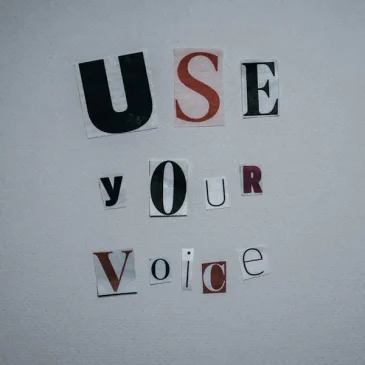
When we risk upsetting somebody it can be difficult to disagree, going against our impulses to be liked. Yet in order to realise growth we need to be able to work through things which make us feel uncomfortable so that we can avoid misunderstandings and be able to challenge behaviours that we disagree with. It also serves Mad ideals to seek to understand people and the difficulties they may be facing, even if this does not mean that we go on to agree with them.
One aspect of conflict that can be difficult is when we interpret internal feelings as signs of external threat. This can escalate concerns, undermining the ability to engage in dialogue to find a resolution. One means of doing this is to shut somebody out, for example by labelling them as abusive for disagreeing with us. It is unhelpful to describe such situations as abuse which would more appropriately be described as disagreement or conflict. The distinguishing factor being whether somebody has power over somebody to exert control on their lives or cause them harm. If they do not and we label something as abusive, this not only exacts a harm in itself but also trivialises the very real situations in which abuse plays out.
Conflict can be a dynamic and healthy process in the right moment, allowing people the opportunity to develop and grow. Normalising conflict encourages a discursive attitude to problem solving, which makes space for and humanises those with which we can disagree so that constructive dialogue can be achieved which aims for resolutions. Of course this does not mean we should disagree for the sake of it but that we should aspire to be able to communicate our boundaries assertively. This is not always as straightforward as it could be, with power working in complex and multidimensional ways which impact on our confidence and sense of self, but offers a hopeful narrative for developing an empowered perspective.
This can also be an important concept to bear in mind when somebody may be behaving in a way that we find difficult. It encourages us not to shun them or involve punitive approaches of control but, as long as it is safe to do so, invites us to understand people. Compassionate conflict becomes a means of seeing somebody in their full complexity and so humanises them, even if we go on to decide we have no space for them in our lives.
Further Reading