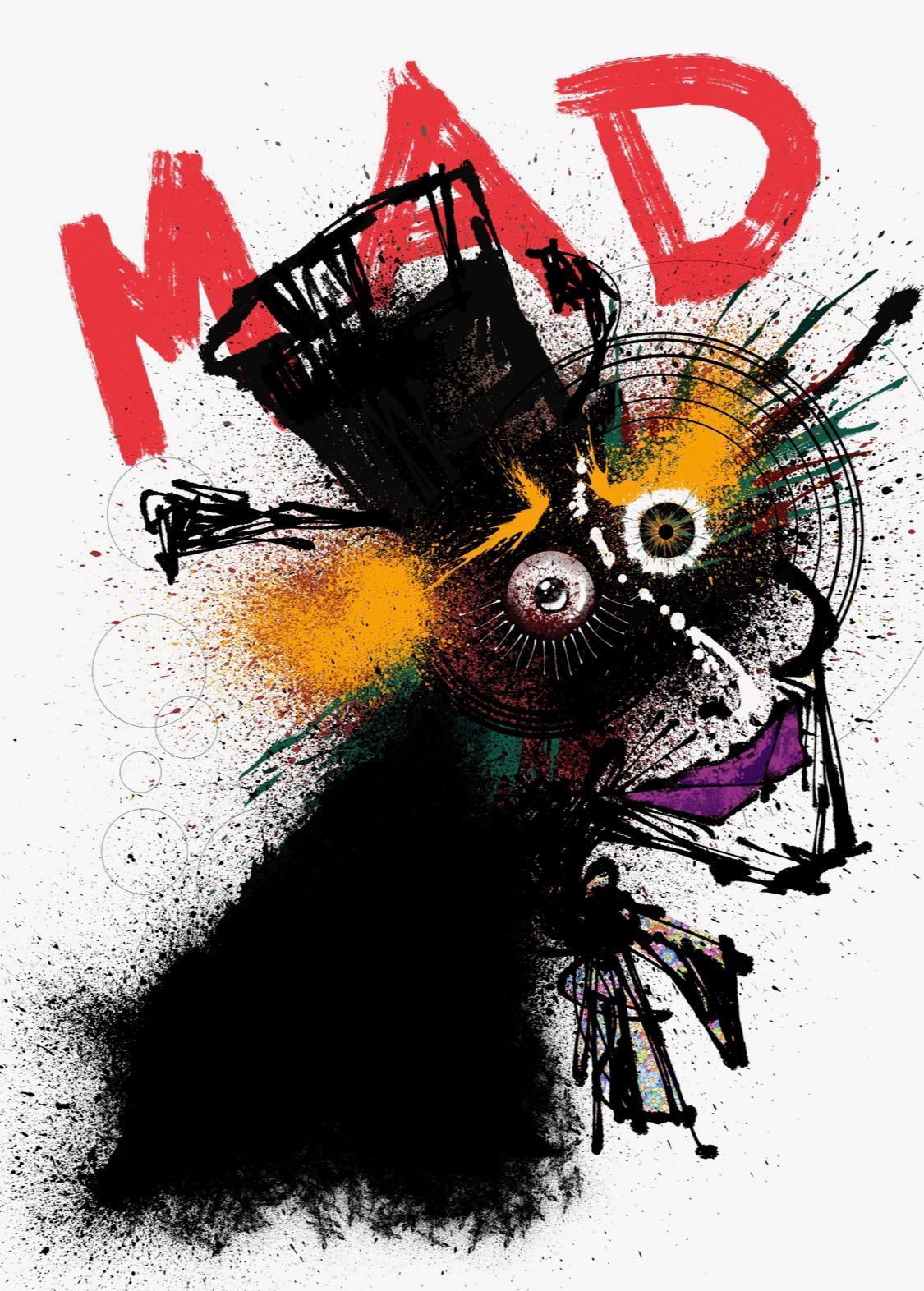

Radical psychoanalysis is aligned with Mad ideals. It looks to move beyond an individualised, adaptive model of distress, instead developing understanding of the barriers that get in the way of us connecting with others. Radical psychoanalysis builds on Freudian notions of the unconscious but shifts its focus from something hidden inside us, to ideas that are played out relationally through our interactions with others. Radical psychoanalysis argues that it is only by understanding the ways we have been blindsided by and internalised oppressive practices that we can grow to offer the zeal necessary to bring about social change. It is important to note that psychoanalytic concepts can cause problems when applied to the world outside the clinic and are more a way of rendering our relationship with ourselves, and by extension others, more clear.
We can understand this if we consider how psychoanalysis in its history has regularly been aligned with an ethics of power and domination. In which the psychoanalyst used their position to define people’s worldviews in less than helpful ways. This is despite psychoanalysis often also being associated with emancipatory ideals, as the analysts would hear the concerns their patients brought to the clinic and see that the distinction between ‘external reality’ and ourselves is not clear cut but something we actively create and creates us.
Alienation
Whereas psychology and psychiatry are interested in helping us to adapt to the current ways things are, often reinforcing feelings of alienation, radical psychoanalysis looks to provide the tools through which we can constructively work with conflict within ourselves and consequently between ourselves and others. That is, it understands that symptoms are not ‘facts of life’ but socially situated feelings towards the world. This allows for a questioning of that which is taken for granted. Inviting us to ask whether things have to be the way they are and ways in which we can strive for a more just global society. So, offering a way in which we can connect our internal struggles with wider efforts to bring about change.
The Ego
In the modern age the ego, our sense of self, is regularly promoted as the sight of rationality and by extension our very humanity. This is the site of inquiry for the psy sciences, who essentialise humanity as the workings of complicated machines to be tinkered with to achieve optimum efficiency. This is a mere caricature of life and beyond just being a poor reflection of how experiences are actually lived but under its prestigious weight can crush divergent ideas of what the good life could mean. That is, if life becomes a service to a ‘rationally’ attuned ego, we risk failing to see how ideas of what is rational are politically and culturally created. Threatening to shut us off from others and a full experience of life.
This shows how radical psychoanalysis offers a pathway to foster our own sense of self in the world not just by looking inwards but in how we exist in a dialogue with the world in which we live. By offering a critique of how this is morphed by power, radical psychoanalysis can move us away from navel gazing and encourage us to find ways to connect to others and their struggles as a way of finding meaning. Although this should not be seen as coming easily, with division central to all our experience (we can only ever communicate part of a whole for example), it offers an aspiration that speaks to the heart of Mad Studies and the Mad movement.
Reading
For an introduction to these ideas try Ian Parker’s and David Pavón-Cuéllar’s, Revolution and Psychoanalysis.