
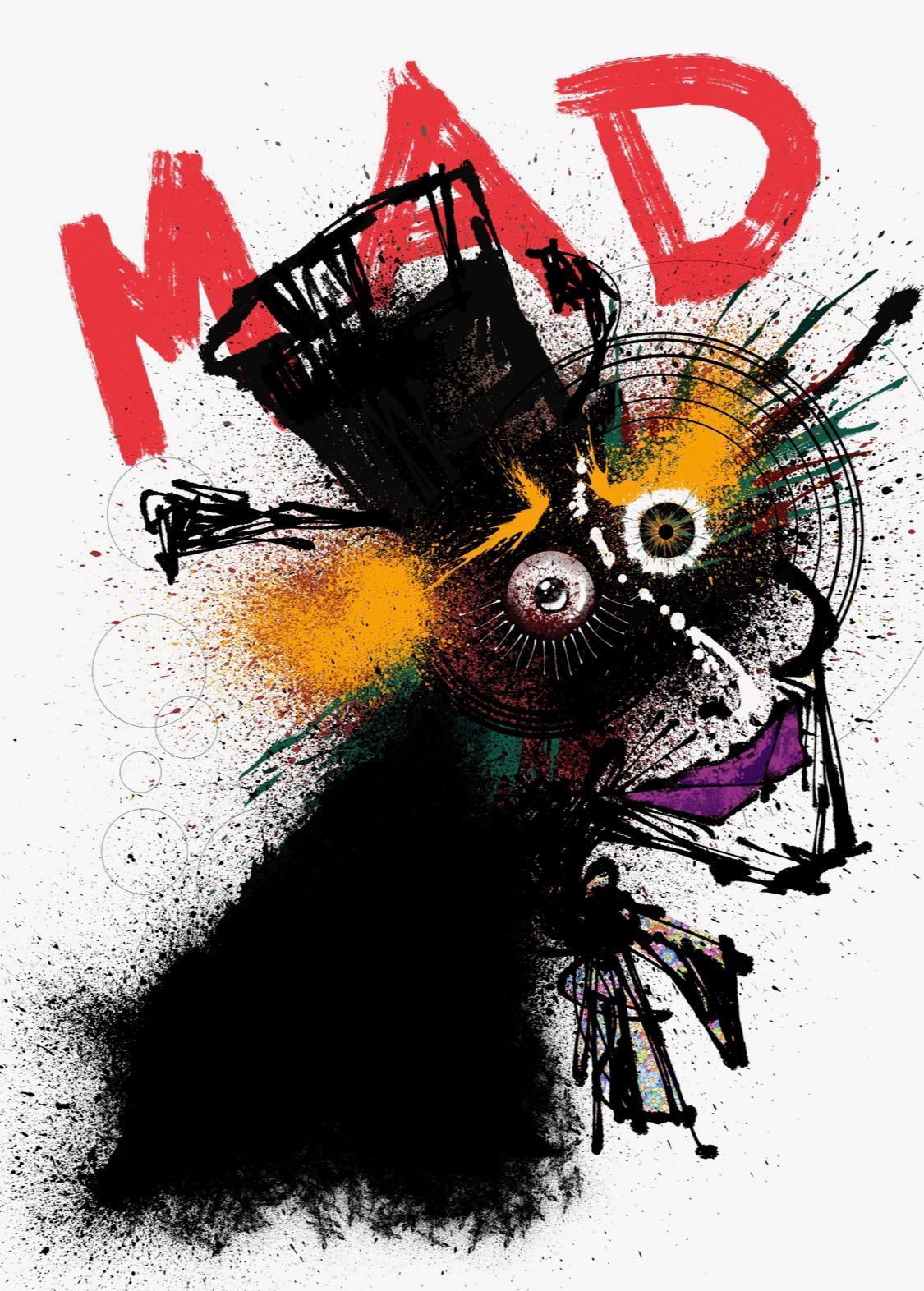
Mad Studies

Mad Studies is a social movement which seeks to use lived experience to critique dominant ‘psy’ discourses surrounding experiences of distress. In order to achieve this Mad Studies has looked to become a knowledge base constituting an in/discipline on the borders of academia. The purpose of this is to find a way to challenge ‘expert’ portraits of distress, which too often paint life in a normative fashion, that fails to respect the reality of the lived experience of those who have suffered or continue to do so. Within a normative model, ‘patients’ are often presented as exhibiting some malady that may be corrected with the correct biopsychosocial intervention and so become an object to be cured, instead of a human to be understood. This is particularly problematic with the biopsychosocial model itself often being a fallacy, with psychological and social interventions either not being provided or being seen as less significant than pharmaceutical provisions.

Therefore Richard Ingram has argued that we need to be allowed to make (non)sense together, in which we question the value of ‘coherence’, instead creating spaces where we are able to be more genuinely authentic. A part of this requires Mad Studies to maintain its roots in community engagement but also to practise a ‘sly normativity’ in academia. Mad practitioners can show there is some method in the madness whilst simultaneously preserving the madness in the method. One means of achieving this could be producing work that resembles other bodies of knowledge, with such mimicry potentially having a subversive effect on wider academia. This is likely to lead to criticism, not just from psychiatry, but other academics who feel threatened by a challenge to their processes. 

A Social Model of Madness and Distress?

Mental distress and its diverse manifestations tend to be poorly understood, with them more likely to be associated with fear and danger and exist with a context of an individualised medical discourse. This is a negative way of looking at people’s lives, blaming them for their problems as it paints them as somehow deficient or deviant and so undeserving of compassion.

The reality is that mental distress is a complex issue which affects people in different ways. A fact which should undermine any simplistic one-size-fits-all attempts to understand it and needs to always be related to broader social and environmental causative factors. By challenging narrow medicalised views of distress and incorporating social factors into conversations can lead to better understandings and attitudes towards those who have suffered. This can encourage better personal support. 

There has however been less development of a social model of Madness and distress than there has been in regards to disability. However, to counter concerns that the psychiatric system is more interested in control than care, there is the need to develop a transparent system based on the views of the recipients. This would look to balance the need to restrict behaviour that becomes dangerous or a nuisance to others with how people want to live. Achieving a means of supporting people to live the lives they want requires an understanding of any barriers they may face in the community, including around perceptions of mental distress and how this is filtered by power. This encourages a view which moves beyond seeing mental distress as purely situated at the individual level but something which is impacted by the wider perceptions and behaviours of wider society. 

One of the benefits of a social model of Madness/distress is that it can be a means through which to increase collaboration in order to bring into the open the experiences of those who have suffered and in particular where this has been exacerbated by experiences of discrimination or oppression. That is, rights-based initiatives often require collective action and a social model can be one means of beginning to organise. It is however important to navigate this sensitively, respecting how every person has a different experience of distress and that those who have suffered should not be considered as a group that is separate and distinct from society.